Non alloy Steel (Diameter > 10mm)
CN → US| HS编码 | 关税税率 | 原产国 | 目的国 | 文档 |
|---|---|---|---|---|
| 7215500018 | 35.0% | CN | US | 官方文档 |
| 7213913093 | 35.0% | CN | US | 官方文档 |
| 7214990016 | 10.0% | CN | US | 官方文档 |
| 7215500016 | 35.0% | CN | US | 官方文档 |
| 7215500018 | 35.0% | CN | US | 官方文档 |
商品图片
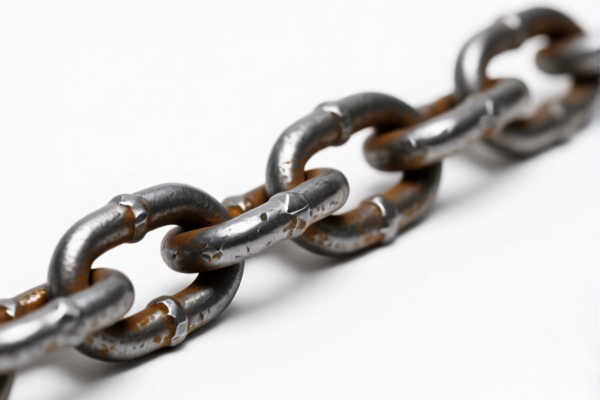
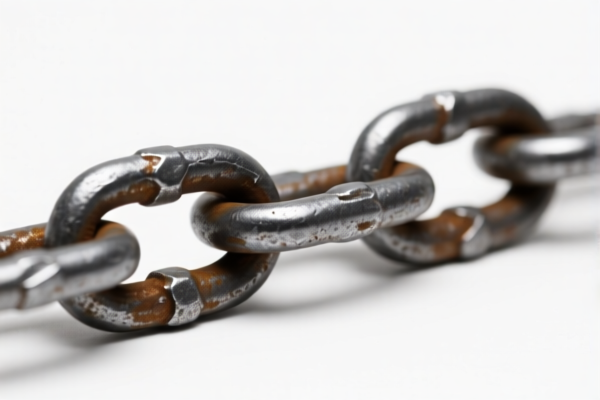
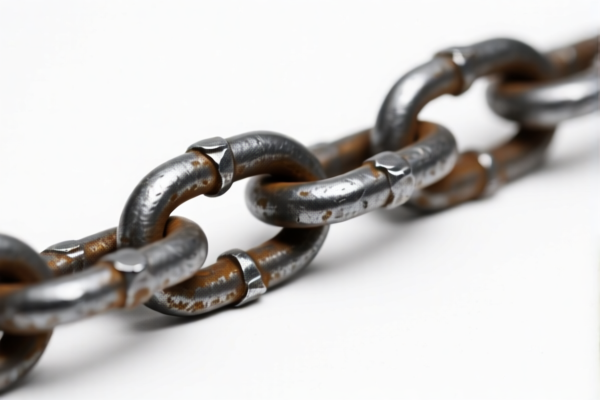
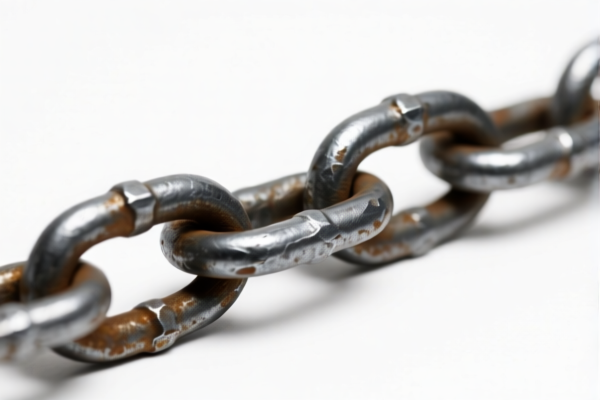
AI分析
🏗️ Non-Alloy Steel Bars (Diameter > 10mm) | HS Code Classification & Tariff Strategy
🌐 HS Code Reference & Customs Clearance Guide | 2026 Latest Tariff Analysis | Professional Clearance Strategy
📌 1. Product Definition & Classification: Do You Really Understand "Non-Alloy Steel Bars"?
Non-alloy steel bars (commonly referred to as carbon steel bars) are long products of solid, uniform cross-sections, including round, square, hexagonal, etc., with a diameter or side length exceeding 10mm.
In international trade, they are often mistaken as a single category. However, precise classification depends on the manufacturing process (rolling vs. forging/cutting) and specific surface finish. Misclassification leads to significant tariff differences (10% vs. 35%).
⚠️ Key Distinction Point:
- Hot-Rolled & Forged/Cut Bars: Often fall under different subheadings based on specific finish and dimensions.
- General vs. Specific "Other" Categories: The HS codes7215.50and7214.99are critical "residual" categories for non-alloy steel bars that do not fit into more specific subheadings (like hexagonal bars or cold-formed profiles).
📦 2. HS Code Classification Details (Based on Provided Data)
According to the provided dataset, the following HS codes are relevant for Non-Alloy Steel Bars (Diameter > 10mm). Note that the summary provided groups them broadly, but the HS Code digits indicate the specific classification path.
| HS Code | Product Description (Based on Data Summary) | Key Differentiator |
|---|---|---|
7215.50.00.18 |
Non-alloy steel bars, dia > 10mm, classified as "Other non-alloy steel bars" | Specific sub-code .18 |
7215.50.00.16 |
Non-alloy steel bars, dia > 10mm, classified as "Other non-alloy steel bars" | Specific sub-code .16 |
7213.91.30.93 |
Non-alloy steel bars, dia > 10mm, classified as "Other non-alloy steel bars" | From Heading 7213 (Rolled Products of Iron/Non-Alloy Steel) |
7214.99.00.16 |
Non-alloy steel bars, dia > 10mm, classified as "Other non-alloy steel bars" | From Heading 7214 (Other Forged/Rolled Bars) |
🔍 Critical Note on Data Consistency:
The provided data lists7213.91.30.93and7214.99.00.16alongside7215codes. While all summaries say "Other non-alloy steel bars," the HS Code prefix dictates the actual tariff: -7215codes carry a 35% total tax. -7214.99codes carry a 10% total tax. -7213codes carry a 35% total tax.You must verify the physical characteristics of your steel against the full Chapter 72 Notes to ensure the correct HS Code prefix (7213, 7214, or 7215) is applied.
💰 3. 2026 Latest Tariff Rate Breakdown (Including Surtaxes & Policy Add-ons)
✅ Applicable Country: United States (US)
✅ Origin: China (CN)
✅ Effective Date: 2025 November 10 onwards (for subsequent imports)
🎯 1. HS Code 7215.50.00.18 & 7215.50.00.16
Category: Non-Alloy Steel Bars (Other)
| Item | Detail |
|---|---|
| Base Tariff Rate | 0.0% (ad valorem) |
| Section 301 Surcharge | +25.0% (USITC Footnote for Chinese steel products) |
| Section 122 Tariff | +10.0% (Specific steel product surcharge) |
| Total Tariff Rate | 35.0% |
| Tax Calculation | CIF Value × 35% |
| De Minimis Exemption | ❌ Not Eligible (Steel products are generally excluded from de minimis thresholds for tariff purposes) |
| Legal Basis Path | USITC:7215.50.00.18/16 → Section 301: 17 U.S.C. 1303 → Section 122: Proclamation 10898 |
📌 Explanation:
- The 25% comes from the Trump/Biden-era Section 301 tariffs targeting Chinese steel and iron products. - The 10% is a specific additional tariff imposed on certain steel products (Section 122 of the Trade Expansion Act). - Total 35% is a high barrier. Ensure your product documentation matches this specific subheading to avoid penalties.
🎯 2. HS Code 7213.91.30.93
Category: Non-Alloy Steel Bars (Rolled)
| Item | Detail |
|---|---|
| Base Tariff Rate | 0.0% |
| Section 301 Surcharge | +25.0% |
| Section 122 Tariff | +10.0% |
| Total Tariff Rate | 35.0% |
| Tax Calculation | CIF Value × 35% |
| De Minimis Exemption | ❌ Not Eligible |
| Legal Basis Path | USITC:7213.91.30.93 → Section 301 → Section 122 |
📌 Note:
Although this code falls under Heading 7213 (Hot-rolled products), it attracts the same high surtaxes as the 7215 group. The distinction lies in the manufacturing process (rolled vs. other shapes), but for US tariffs from China, the penalty rate is identical here.
🎯 3. HS Code 7214.99.00.16
Category: Non-Alloy Steel Bars (Other Forged/Rolled/Cut)
| Item | Detail |
|---|---|
| Base Tariff Rate | 0.0% |
| Section 301 Surcharge | +0.0% |
| Section 122 Tariff | +10.0% |
| Total Tariff Rate | 10.0% |
| Tax Calculation | CIF Value × 10% |
| De Minimis Exemption | ❌ Not Eligible |
| Legal Basis Path | USITC:7214.99.00.16 → Section 122 |
📌 Critical Opportunity:
- This is the ONLY code in the provided dataset with a 10% total tariff, not 35%. - It is subject only to the Section 122 tariff (10%), NOT the Section 301 25% surcharge. - Why? This specific subheading (7214.99.00.16) may represent a product form that is excluded from the broader Section 301 list for steel, or falls under a different trade remedy list. - Action: If your steel bars can be technically classified under7214.99.00.16(e.g., specific cut lengths, forged shapes, or non-hot-rolled profiles), this results in a 25% savings compared to the 7215/7213 codes.
🛠️ 4. Customs Clearance Practical Advice (Real-World Pitfall Guide)
✅ 1. Preparation Checklist (Non-Negotiable)
| Document | Required? | Explanation |
|---|---|---|
| ✅ Product Specification Sheet | ✔️ | Must detail: Chemical composition (C, Mn, Si %), Mechanical properties, Diameter, Length, Surface Finish. |
| ✅ Manufacturing Process Flow | ✔️ | Crucial to distinguish between 7213 (Hot-Rolled), 7214 (Forged/Cut), and 7215 (Other/Pressed). |
| ✅ Photos (Including Cross-Section) | ✔️ | Show the cross-section shape (round, square, hex). |
| ✅ Commercial Invoice | ✔️ | Must clearly state "Non-Alloy Steel Bar, Diameter > 10mm, Origin: China". |
| ✅ Packing List | ✔️ | Weight and dimensions are critical for duty calculation. |
✅ 2. Classification Strategy (Key Mnemonics)
🔥 "Check Section 122 First! 35% vs 10% Saves Thousands!"
| Scenario | Correct HS Code Prefix | Total Tax | Why? |
|---|---|---|---|
| Standard Hot-Rolled Round Bars (Common Rebar) | Likely 7213 or 7215 |
35% | Subject to both Sec 301 (25%) and Sec 122 (10%). |
| Forged, Cut-to-Length, or Specific Non-Rolled Shapes | Likely 7214 |
10% | Only Sec 122 (10%) applies; Sec 301 may be excluded for this specific subheading. |
| "Other" Bars not fitting 7213/7214 | 7215 |
35% | Default high-tariff category for miscellaneous steel bars. |
📌 Warning:
- Do NOT assume all steel bars are taxed at 35%.
- Investigate if your specific bar profile fits7214.99.00.16. The difference is 25 percentage points (~2.5x cost).
- Misclassifying a 10% item as a 35% item leads to overpayment. Misclassifying a 35% item as 10% leads to seizure, fines, and penalties.
✅ 3. Special Case Handling
| Situation | Recommendation |
|---|---|
| OEM Custom Shapes | Provide detailed engineering drawings. If the shape is unique, it might fall under 7215 (Other) rather than standard 7213 (Rolled), but check if 7214 applies for forged/custom cuts. |
| Steel with Coatings | If coated, it may move to Chapter 73. Ensure the base classification is correct before adding coating details. |
| Mixed Shipments | Declare each HS Code separately. Do not lump 7214 and 7215 items together on one line item; this will trigger an audit. |
| Origin Marking | Ensure every bar is marked "Made in China" as required for Section 301/122 enforcement. |
🌍 5. Global Market Comparison (2026 Latest)
| Country/Region | Recommended HS Code | Tariff Rate (China Origin) | Notes |
|---|---|---|---|
| 🇺🇸 USA | 7214.99.00.16 |
10% | Best rate if eligible. Avoid 7215/7213 unless necessary (35%). |
| 🇺🇸 USA | 7215.50.00.18 |
35% | High tariff for standard "other" bars. |
| 🇨🇳 China | 7214.99.00.16 |
9.0% | Import duty into China (for reference if exporting back). |
| 🇪🇺 EU | 7214 99 |
6.0% | No Section 301/122 equivalents. |
| 🇮🇳 India | 7214 99 |
7.5% | Anti-dumping duties may apply separately. |
📌 Conclusion:
- The US market is uniquely punitive with the combination of Section 301 and Section 122.
- Cost Optimization Tip: Work with your metallurgist to see if the product can be legally classified under7214.99.00.16(Forged/Cut/Other) to benefit from the lower 10% tariff.
📌 6. Common Errors & Pitfall Guide (Blood & Tears Lessons)
❌ Error 1: Assuming all steel bars are 35%
👉 Consequence: Overpaying 25% on items that qualify for 7214.99.00.16.
✅ Fix: Verify manufacturing process. Is it forged or cut-to-size? That may qualify for the lower rate.
❌ Error 2: Using "Steel Bar" as the Description
👉 Consequence: CBP (Customs and Border Protection) will classify it based on their assessment, likely resulting in the higher 35% rate or an audit.
✅ Fix: Use precise language: "Non-Alloy Steel Bar, Hot-Rolled, Round, Diameter 20mm, ASTM A36" or "Forged Steel Bar, Hexagonal, Cut to Length".
❌ Error 3: Ignoring Section 122 Specificity
👉 Consequence: Failure to declare the specific USITC subheading required for Section 122 compliance.
✅ Fix: Ensure the 8-digit or 10-digit HS code matches the exact USITC enumeration for the surcharge.
🎯 7. Conclusion: Precision Saves 25%
🎯 Remember the Mantra:
🔹 "Section 301 + 122 = 35% on 7213/7215"
🔹 "Only 122 = 10% on 7214.99.00.16"
🔹 "Classify Right, Pay Less!"
📌 Pro Tip:
If your steel bars are hot-rolled and standard, you will likely face the 35% rate. However, if they are forged, cut to specific non-standard lengths, or have unique cross-sections, fight for the 7214.99.00.16 classification.
Request a Binding Tariff Ruling from CBP if the classification is ambiguous. The cost of a ruling is negligible compared to 25% of your shipment value.
📣 Immediate Action:
📞 Contact your freight forwarder + Provide Product Drawings + Verify Section 122 Eligibility
🚀 Optimize your supply chain, reduce duty costs, and maximize profit margins!
✨ Professional Customs Clearance Starts with Accurate Classification!
💼 Your Every Penny is Worth Precise Calculation!
用户评价
关于 HS 编码归类
协调制度(HS)是由世界海关组织(WCO)制定的国际贸易商品分类标准。全球 200 多个国家采用 HS 系统作为海关关税、贸易统计和进出口监管的基础。
每个 HS 编码遵循以下层级结构:
- 章(2 位)——商品大类(例如:第 84 章:机器和机械设备)
- 品目(4 位)——章内的更具体分类
- 子目(6 位)——国际通用细分,所有 WCO 成员国统一使用
- 本国细分(8-10 位)——各国自行扩展的细分编码,如美国 HTSUS 10 位编码
正确的 HS 编码归类对于顺利通关、准确缴纳关税和遵守贸易法规至关重要。错误归类可能导致海关延误、多缴关税或罚款。
从CN进口到US时,适用的关税税率可能包括:
- 最惠国(MFN)税率——适用于 WTO 成员国的标准关税税率
- 普通税率——适用于无贸易协定国家
- 贸易救济关税——附加关税,如 301 条款(反倾销)、232 条款(国家安全)或反补贴税
本页内容仅供参考。如需正式归类,请咨询当地海关或持牌报关代理。